-
The Importance of Social Media Policies

While Social Media grows, companies are learning to use it to their advantages. However, one TikTok or tweet can cause a fiasco, so, companies are issuing social media policies to their employees to keep a positive public image. Learn everything you need to know about social media policies and their benefits.
Have you ever noticed when someone adds to their Twitter bio: “all opinions are my own and do not reflect the opinions of my company”? That’s all because of social media policies.
Social media has become a growing concern for companies, especially since the pandemic started. While it has become an important tool for promotion, without rules for employees, one simple TikTok video or tweet can become a PR nightmare. To prevent this from happening, companies are issuing their own social media policies in order to keep their image positive online and make sure that classified information makes it out into the public.

Photo by Flo Dahm on Pexels.com What is a Social Media Policy?
Social media policies basically outline how both the organization and employees should conduct themselves online. Not every policy is written the same, but they should include different categories to cover all of their bases. These include:
Rules and Regulations, which is pretty self explanatory.
Confidentiality, which outlines information that is confidential and what can be talked about publicly.
Legal Risks, which details what is considered illegal, guidelines on how to properly credit external sources, and when disclaimers need to be issued on certain posts.
Security Risks, letting employees know how to make secure passwords and what to do if there is a security breach.
Brand Guidelines regarding visual content
Rules and Responsibilities, discussing who is in charge of different roles.
Accountability, detailing the consequences of breaking any of the rules.
Starbucks encourages their workers to post on social media because they want “partners” to be passionate about their jobs. However, there are limits on what they can post. For example, in posts, employees have to have a disclaimer saying that they are an employee and are not a spokesperson for that company. Another rule that they have is that they cannot share future promotional activities, trade secrets, reports and other confidential company information. While, many companies outline what happens if they mess up, Starbucks instead offers their employees channels where they can go if they make a mistake.
Now that you know what social policies do, why are they beneficial for companies?
Benefits
The main benefit of social media policies is to protect the reputation of the company, sometimes one bad social media post can make the entire company look bad within days or even hours. Not only that, these policies help with brand cohesion, creating standards for appearance, tone, and proper use of images and videos in company posts.
These policies are also used to keep their employees’ social media etiquette in check, ensuring that they know how to properly promote the company, and make sure that they follow company standards. It also ensures that the company is not liable for what their employees do on social media and allow them to remove posts and issue consequences for the employees that do break the rules.
Now that you know more about social media policies, does your employer have one that you have to follow? Let me know
-
Vlogging: Why is it so Popular?

With the prevalence of video sharing platforms in the last decade, people have been turning to vlogs, or video blogs, for entertainment and to feel a connection to their favorite creators. Learn about the history of vlogging and what makes it such a popular form of media in this blog post.
In recent years, the expansion of video sharing platforms like TikTok and YouTube, Vlogging is more popular than ever. Throughout the last decade, video blogs, or vlogs for short, have exploded as a new medium for influencers to blog and interact with their audiences.
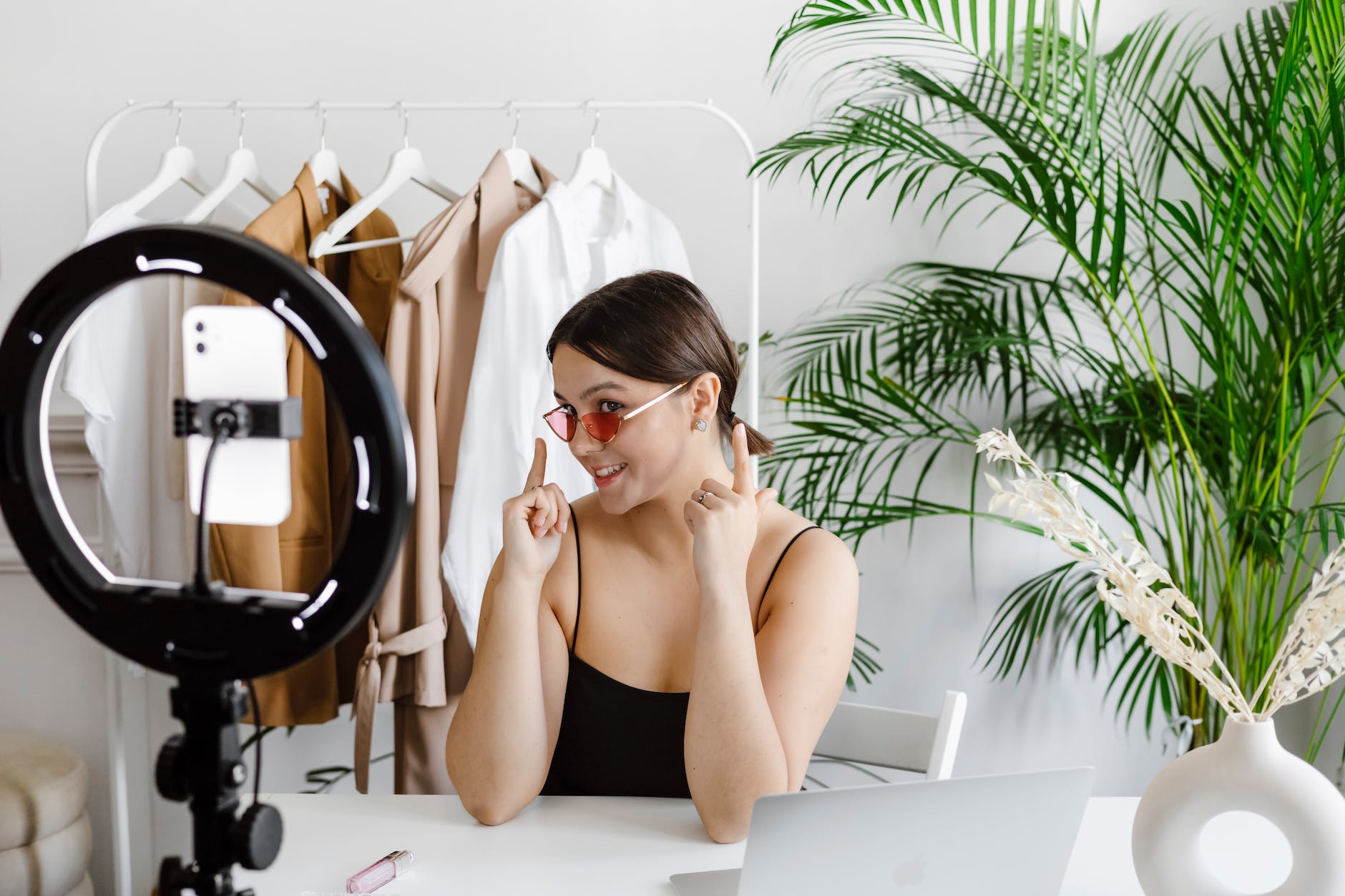
Photo by Anna Nekrashevich on Pexels.com What Even is “Vlogging”
Vlogs initially burst into the scene in the early 2000s and became even more popular with the launch of YouTube in 2005. This basically involves a “vlogger,” who can be anyone from your friend to one of your favorite “YouTubers” talking to the camera in first person, describing anything from the events of their day or talking about a variety of topics in a way that is more personal than a blog post. These videos are then posted on a variety of platforms like YouTube, and then clips are usually posted on TikTok and Reels to gain more views. Vloggers sometimes even go live on Twitch, YouTube, and TikTok for increased audience engagement.
How Popular are Vlogs?
According to Media Kix, vlogs are one of the most popular types of videos, with 44% of all internet users watching vlogs every month. Vlogging is incredibly popular because it gives an in-depth look into the lives of real people, especially “YouTubers” that many members of Gen Z grew up watching. Because of their authenticity, it’s a lot easier for engagement and interaction with viewers, which helps foster deeper relationships.
Why are They So Popular?
I find the interaction aspect makes vlogs the most popular. All the time, I find myself choosing to watch day in the life videos of my favorite YouTubers because it felt like I was getting to know them better, even feeling like I was one of their friends. This is especially the case with the video “A Day in the Life of Dan and Phil in Japan.” (Below) When I was 15, I absolutely loved that video because it felt like I was exploring Japan with my favorite YouTubers and it was a fun way to escape. Nowadays, while I’m scrolling through TikTok, I always stop to check out the vlog style storytime videos because I just genuinely enjoy listening to them.
Based on what I know from talking to others about vlogs is a lot of people are watching them while working on other tasks because you don’t have to sit down and think about the content, you can just mindlessly consume them, which is something that I also do all the time, and probably is a reason for the high levels of viewership.
-
Understanding the Ever Elusive Social Media Algorithms

Algorithms are an important, yet elusive facet of social media management and understanding them is of utmost importance for anyone taking up the task. Learn about how the algorithms of popular social media platforms like Instagram, TikTok, and Facebook work, and how you can harness the power of the algorithm to your advantage. Check out this article to learn more!
Learning how to navigate social media algorithms is an incredibly important task for anyone who decides to embark upon the journey of social media management as a career or even if you’re looking to become an influencer. While algorithms are controlled by user behavior, there are some strategies you can use to harness their power to get your posts out there to the masses. Keep reading for your guide to algorithms and some tips and tricks on how to use them to your advantage on multiple social media platforms.
What Even are Algorithms?
Before you can harness their power, it’s incredibly important to understand how algorithms work. To give a brief definition, algorithms are essentially sets of rules and symbols that rank content on social media sites based on how likely user is going to like and interact with it. The algorithm on every platform is different, but they are all based on a machine learning ranking signals, which place a value on each individual piece of content for each user. These signals are then individualized based on your previous interactions with the app, which is why you’re seeing similar kinds of content every single time you open TikTok.
How Does it Work?
Think about the TikTok FYP page (For you Page), the Instagram Discover Page, etc., for example. Content on these pages is selected just for you based on the content you’ve been watching and interacting with the most.
That is especially prevalent on both Facebook and TikTok. Instagram on the other hand, shows you more posts from the accounts that you follow and will show you similar accounts. The most fascinating part about this is that it tells you why these different accounts are being suggested to you.
Explaining Algorithms
While social media platforms keep a tight lip about their specific ranking signals, there are some that are known by the general public.
Instagram
Relationships are at the forefront, as you’re more likely to see content with the people you follow and engage with.
Interests are also at the forefront, so you’re going to see the things that you’re interested in based on who and what you follow.
Relevance is also incredibly important, pushing current events and trends.
Popularity is key. If your post is being liked and shared at a fast rate, or you have a popular account, your posts will end up on the Explore Page.
TikTok
TikTok will show you accounts and content that you have preciously interacted with, and is less likely to show you accounts that have been hidden or marked not interesting. The algorithm also analyzes your behavior on your For You Page, like sounds and trednign topics
TikTok also takes your location into account, showing you content that is made in your language in your country.
Different trends are also key, if you have seen a million TikToks with Maxwell the cat in the sky, like I have, that’s because it’s trending.
TikToks that are the way thatthey are”supposed” to be with fun sounds and crazy sound effects that are trending.
Lastly, follower account doesn’t matter, anyone can go viral on TikTok.
Facebook
Your feed will mostly be filled with content with people and pages you’ve interacted with. You’ll be suggested more content based on the type of content you’re consuming (if you watch more videos, you’ll see more videos) You’ll see post siwth lots of engagement that will be boosted by the algorithm. Facebook also pushes content of higher quality.
So Now What?
Now that we have an idea of what is being pushed by the algorithm, how do we attempt to be picked up by it?
Posting relevant and high-quality content is key. These are two qualities for posts to get pushed by the algorithm on all social media platforms.
Delivering what you promise is also incredibly important. With the prevalence of clickbait, platforms have trained their algorithms to not push content that appears misleading.
Understanding Trends! Trends are fleeting, but they keep people engaged, so platforms are pushing it more.
Lastly, knowing the best times to post is a super helpful tool to getting more traction on your posts. Websites will give you general recommendations, but with Meta introducing their new creator studio, it now gives you suggestions on what the best times to post are, which is super helpful. While suggestions are good, trial and error are key here. You have to find the most popular times for you by just getting out there and posting.
With all of that being said… Good Luck and Happy Posting!
-
The Ups and Downs of Using TikTok to Promote Your Business

TikTok is a platform that is constantly growing and has an algorithm that is tough to crack. This week on Eyes on Social Media I discuss tips and tricks to help you get the word out about your business.
TikTok is one of the fastest growing social media platforms globally. It was the most downloaded app in 2019, 2020, and 2021. As of 2022, the app reported 1 billion active users worldwide. Given the amount of reach that this app has, it has become a way for businesses to promote their products in a fun and creative way. In this article, I’ll be giving you the rundown of navigating the TikTok algorithm, trends, and some helpful tips and tricks on how to use the platform more effectively.

Photo by Ahmed Aqtai on Pexels.com What is TikTok for Business
TikTok, like many other social media platforms, allows for businesses to create their own free “business accounts” where companies can post content promoting their products, while also having access to analytics, like insights, (number of flowers, growth, demographics, etc.) profile views, video metrics (views, total play time, average watch time, etc.) and more, which is not offered on standard TikTok accounts.
Understanding the Algorithm and Trends
The app is crucial to reaching Gen Z and Millennial consumers. The algorithm is incredibly difficult to keep track of.We do know, however, that the algorithm is driven by user interaction, video information, and even device and account settings. Now, TikTok also claims that it does not give preference to accounts based on follower count, giving everyone a fighting chance to make it to the For You Page. The way that the algorithm works is when brands/creators make a video, it is only shown to a handful of their followers, and if it does well it is pushed to even more. If the video does well, with people liking the video and watching it until the end, it is pushed to more followers, and the videos with the most engagement are pushed onto the For You Page and will reach even more people.
Trends on the platform are fleeting moments and sometimes only reach a certain group of people, which makes them incredibly hard to pinpoint and act on. There are different sides of TikTok where different trends live, for example Alt TikTok, Cottage Core TikTok, Political TikTok, and so many others. Depending on what “side” you’re on, you’ll see different trends. Why? The TikTok algorithm delivers users a personalized set of videos based on what they are more likely to be interested based on what videos they like and watch until the very end.
Using the Algorithm to Your Advantage
Now that we have that information, how do we use the algorithm to our advantage? The rule of thumb for this is knowing your audience and who you want to support your business/product. So the first step in all of this is research, research, research! To understand your audience, you need to research those trends to utilize them. For example, if I was promoting a rock song, I would research what trends are going around Alt Tiktok, and create a video of that trend promoting the song.
It’s not just as easy as following a trend. You have to sound genuine in doing it. One of the tropes that I am noticing is making sure the viewer knows that there’s a person behind this TikTok and showing the opinion of the social media manager/intern in a way that will make people laugh. If you sound genuine, it usually does better. Take this example of using the “Maxwell in the Sky” trend I used to get people to listen to WSOU. I was open and honest about why I was following the trend, like other social media managers have been doing on their brand’s accounts.
Now that you have your content ideas down, it is also important to keep a posting schedule. Social media platforms do reward consistency with posting, and with TikTok it seems to be the more posts the better. Timing is also incredibly important. Now you can look up the best times to post on TikTok for suggestions, however, there’s a chance that it may not work for you. Once you get to posting, you’ll see what times you get the most engagement. Even if its different from the suggestion, post at the times that work the best for you.
After that, you’re at the mercy of the algorithm and may the odds be ever in your favor.
-
Influencing in the Beauty Community
This week on Eyes on Social Media, I discuss the role that YouTube and TikTok play in influencing young consumers to buy makeup and my own personal experiences of being influenced by the YouTube Beauty Community
Brands have been using influencers to get the word out there about their products for decades. However, in the last 15 years, the methods have changed drastically. With the rise of video platforms like YouTube and TikTok, in the beauty industry makeup tutorials and reviews are how brands are pushing their products.
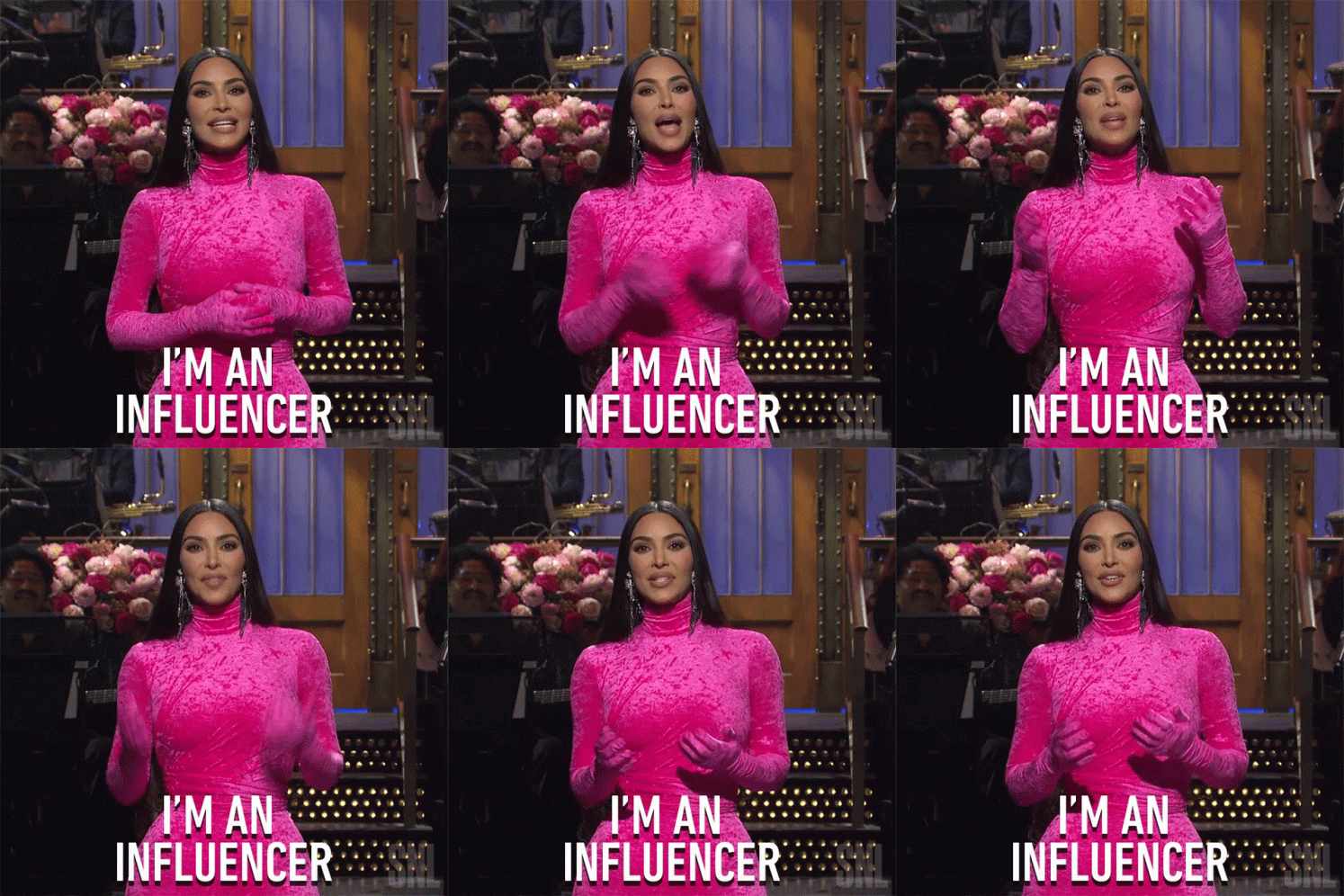
Starting in the early 2010s, the beauty community on YouTube began to rise drastically with channels like NikkieTutorials, Michelle Phan, and later on Jeffree Star and James Charles. The focus of these channels was to provide those who were just getting started in makeup easy to follow tutorials that they can actually see and mimic what they’re doing. Through these tutorials, people were seeing these products and purchasing them to do the same looks. On top of this, these YouTubers also post reviews of certain products, either by buying them with their own money (and making sure the audience knows that at least five times during the video) or by reviewing products received in a PR package from large brands like Urban Decay, Elf, Too Faced, etc.
This is where my part of the story comes in. I loved makeup since middle school. I started wearing makeup in eighth grade and the obsession continued throughout high school even to this current day. What started as learning how to do my makeup with my drugstore products turned into amassing a collection of palettes from luxury brands with the money I saved from birthdays and Christmases. The reason for this: the YouTubers I was watching on a daily basis. Before I bought any makeup I had to watch at least three reviews from NikkieTutorials and Jeffree Star so I knew what I was getting into on a daily basis.
I was not the only young person influenced to buy expensive makeup, this phenomenon continues to this day with the rise of TikTok influencers. The content is similar, with short form tutorials, reviews, and get ready with me videos that mention these products. TikTokers like Mikayla Noguiera, and Darcy Mc Queen have amassed millions of followers in the last few years and their opinions on products have influence. Videos on TikTok are seeing the rise of the skincare brand Drunk Elephant for example, with 13 year olds buying these expensive products because they saw it on TikTok, just how I “absolutely needed” the Urban Decay Naked 3 eyeshadow palette that I saw in a YouTube video.
No matter how much changes in the world of makeup, one thing will stay the same: there will always be a new generation of influencers and influenced.
Photo by Ivan Samkov on Pexels.com -
Scavenger Hunt Extravaganza!
Today’s blog is the first ever collaboration on Eyes on Social Media! I teamed with The Media Monitor for a crowdsourcing exercise. We went to Twitter and asked the Seton Hall community their opinion on various topics surrounding the school and the South Orange area.
In our Social Media in Journalism and PR class this week, Ryan Henry and I were tasked with a scavenger hunt to gather opinions from Seton Hall University students. We took to Twitter to ask our peers about school spirit, hot spots in the South Orange community, and a variety of other topics pertaining to the Seton Hall community.
Photo by wisnupriyono _ on Pexels.com We learned a lot about the most popular places in town, favorite memories from basketball games, what clubs are hot, and so much more! While it was great to learn these things about our friends and peers, this project was not without its downsides. While some gave us incredibly detailed answers to our questions, it was quite hard to get the same amount of detail from other students. One of the most frustrating parts was sifting through responses that were either one word or one sentence to get the most detailed answers we could work with.
Now without further ado… our findings!
Now here’s the fun part about this assignment… there’s an element of competition! All of our classmates were put into pairs to ask all of the same questions as us to see who could get the best answers. So of course, we have to talk about our favorites from our friends!
We gotta love the support for WSOU! We even answered questions of fellow students to get in on the action! Here are our responses!
Through this assignment we not only learned more about our peers, but also using Twitter as an effective tool to crowdsource information for news stories. It’s an easy and fun way to get the information that you need, all while connecting with others! If you ever have a chance to try something out like this, we highly recommend!
-
How Journalists and Public Relations Professionals are Using Social Media to Expand their Horizons
The rise of social media has had a profound impact on the world of journalism and public relations. Journalists and PR professionals alike are now using social media platforms to connect with their audiences, promote their stories, and gather information. Here are a few was that journalists and PR professionals are using social media.
Photo by Pixabay on Pexels.com How Journalists are Using Social Media
Now that social media has become an essential tool, it can help journalists find sources and stories. Twitter, in particular, has become a go-to platform for journalists, who use it to track breaking news and even connect with potential stories. By following key figures in their beat and monitoring hashtags, journalists and quickly get a sense of what’s happening in their field and connect with people that have firsthand knowledge of the story.
Journalists also use social media to promote their stories and connect with their audiences. By sharing their work on social media to promote their stories on platforms like Twitter and Facebook, journalists can reach a wider audience than they would through traditional channels like print or broadcast media. They can also use social media to solicit feedback and engage in conversations with their readers, which can help them refine their reporting and better understand their audience.
How PR Professionals are Using Social Media
PR professionals use social media to promote their clients and to build relationships with journalists, bloggers, and other influencers who can help with promotion of their clients. By engaging with these influencers on social media platforms like Twitter and LinkedIn, PR professionals can establish themselves as credible sources and position their clients for media coverage.
Social media also provides PR professionals with a direct line of communication to their clients’ audiences. By using Facebook, Twitter, and Instagram, they can share news, updates, and other content that will resonate with their clients’ followers. They can also monitor the conversations around their clients and respond to any questions or concerns that come up.
What Does it all Mean for the Profession?
Social media has become an integral tool for journalists and PR professionals. It provides avenues to connect with audiences, keep up to date, and even expand their skills. If utilized correctly, they will also be better positioned to succeed in their fields. As social media continues to evolve, it will be interesting to see how journalists and PR professionals adapt and innovate to stay ahead of the curve.
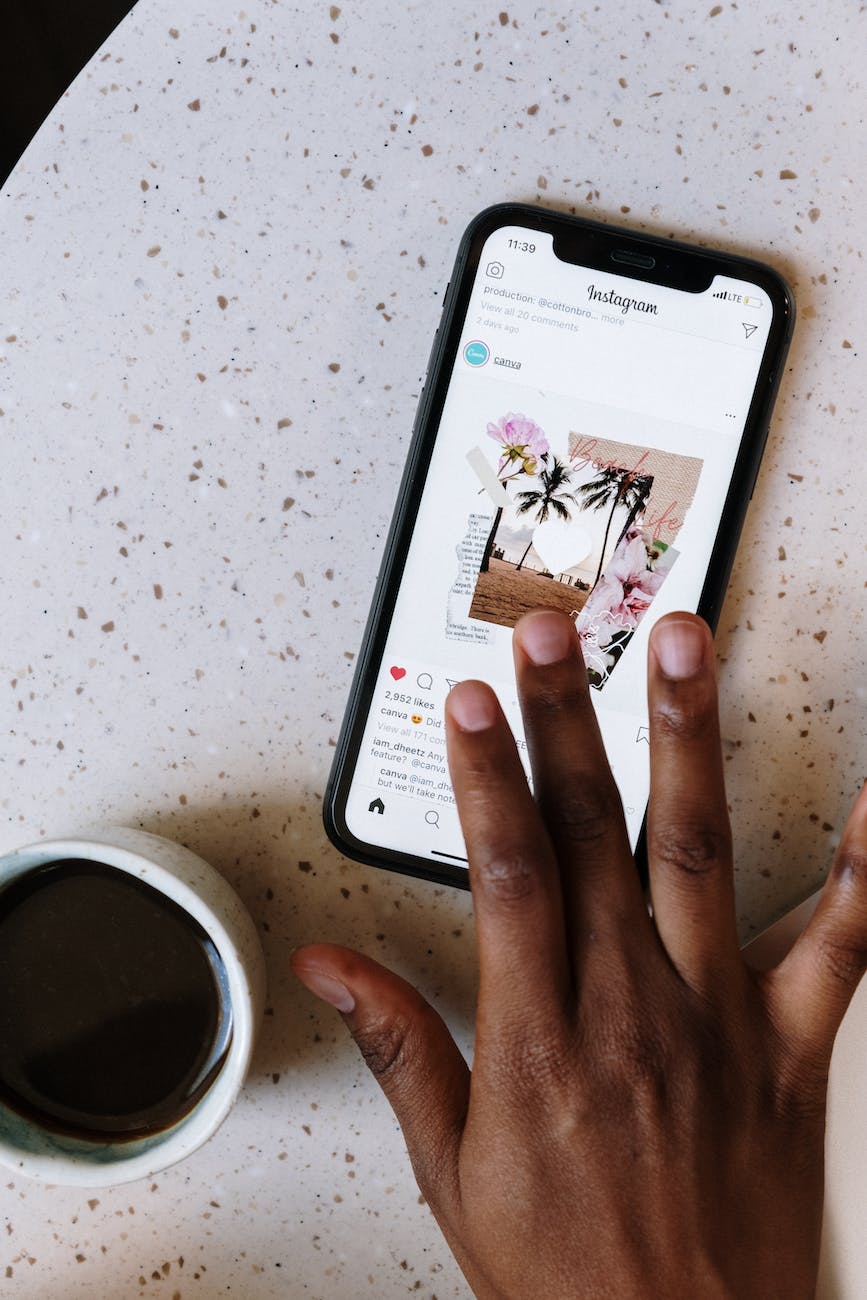
Photo by cottonbro studio on Pexels.com -
Using Search Engines to Promote Your Projects


Photo by Caio on Pexels.com Search engines are incredibly important to spread the word about your business, your YouTube channel, and the like. When you search on Google, Bing, or whatever search engine you use, you get a handful of results. Within these results, you’ll find some organic, or unpaid results, and some paid results, which will always be at the top. Now this begs the question: how do you promote your project, so it pops up more in search? Well, there are two different ways, SEM and SEO (search engine optimization).
SEM is basically paying for advertisements to show up as a top result. At high levels, advertisers can bid for whatever keywords they want and create ads to show up for when someone searches for that keyword. This method allows for quick results, so once your campaign is launched you can start generating returns within minutes. Data from SEM is far superior, and you can get competitive insights. It also gives you a platform to test out different experiences to learn what works the best for your audiences regarding keywords, ad copy, and other variables. However, the downside of this is the continued cost. For a small business or a growing YouTube channel, this method is not exactly sustainable.
SEO on the other hand is, in my opinion, the better method in this case. While it takes a long time to get established, it has long term value. The results that you receive will have inherent trustworthiness that cannot be paid for. I, myself, have been using some aspects of SEO in my job as social media director for WSOU 89.5 FM. We have a youtube channel, where we post interviews with different artists in the metal music scene. To hopefully appear higher up in search, for video descriptions, we try to get in some different key words, like metal, the band we’re listening to, interview, and the like. Consistently doing this and creating relevant content will eventually be picked up by Google and show some long term results. The same goes for photos too, I was told by an SEO expert that youtube thumbnails and Instagram graphics should have these keywords in the file name as well. So far, it has been working, but time will only tell what the future holds.
-
Do You Know How Often You’re Reading Blogs?

Nowadays, everyone is building their own personal brands using social media platforms like YouTube, TikTok, and even Instagram. This is a trend I’ve noticed in my own social media consumption watching makeup tutorials on YouTube and short cooking videos on TikTok. However, much to my surprise, blogging is a key component in strong marketing strategies, as a way to connect with customers and fans, attract new customers and followers, and even increase sales. It’s a surprise to me, as I always associated blogs with the online diaries that blogging started out as in the ‘90s. However, Buzzfeed, a website I used to frequent as a teen, actually is a blog with some journalistic aspects.
As of January 2023, there are 600 million blogs on the internet about every topic you can think of. It has become one of the most powerful tools for building brands. There are also four different kinds of blogs that brands can utilize to grow their brand: awareness content, thought leadership content, sales centric content, and pillar pages. Awareness content is meant to be an in-depth article on a topic that people care about. The trick with this content is to make it as informative as possible so that it can be shared over and over again. A similar idea would be about us articles from brands when you Google the company. These can also be shared easily on a website or on social networks to drive traffic.
The purpose of thought leadership content is to build trust with your listener base. These posts are supposed to position you as an expert in your field by giving step by step process content or sharing insight into your industry. These posts can be about anything that you have insight into experience with. What’s super interesting about these posts is to answer related questions on Quora or Reddit and link back to your article. The third type of content is sales centric content, which is designed to sell a product or service, or inform/empower someone to become a customer in the future. I did not realize that there were blogs about sales, but now that I think about it, I’ve definitely perused a few blog posts about different items that I’ve considered buying, especially technology. I’ve definitely perused many a pillar page, which is content that provides a specific overview of a subject, just serving as an overall guide to a topic.
What’s most interesting about companies blogging is that we’ve all read them without knowing it. I’m sure that’s the beauty of it. In my use of the internet, I’ve definitely read so many companies’ blogs, just thinking it was a part of their website. I feel like people have dismissed the idea of blogging as a personal diary, so when they encounter one on the internet, they don’t realize what they are reading. With this new knowledge, I now know just how important of a tool blogging is for businesses.

Photo by Vlada Karpovich on Pexels.com

Keeping An Eye on Social Media In An Evolving World For COJR 3422 at Seton Hall University
 Eyes on Social Media